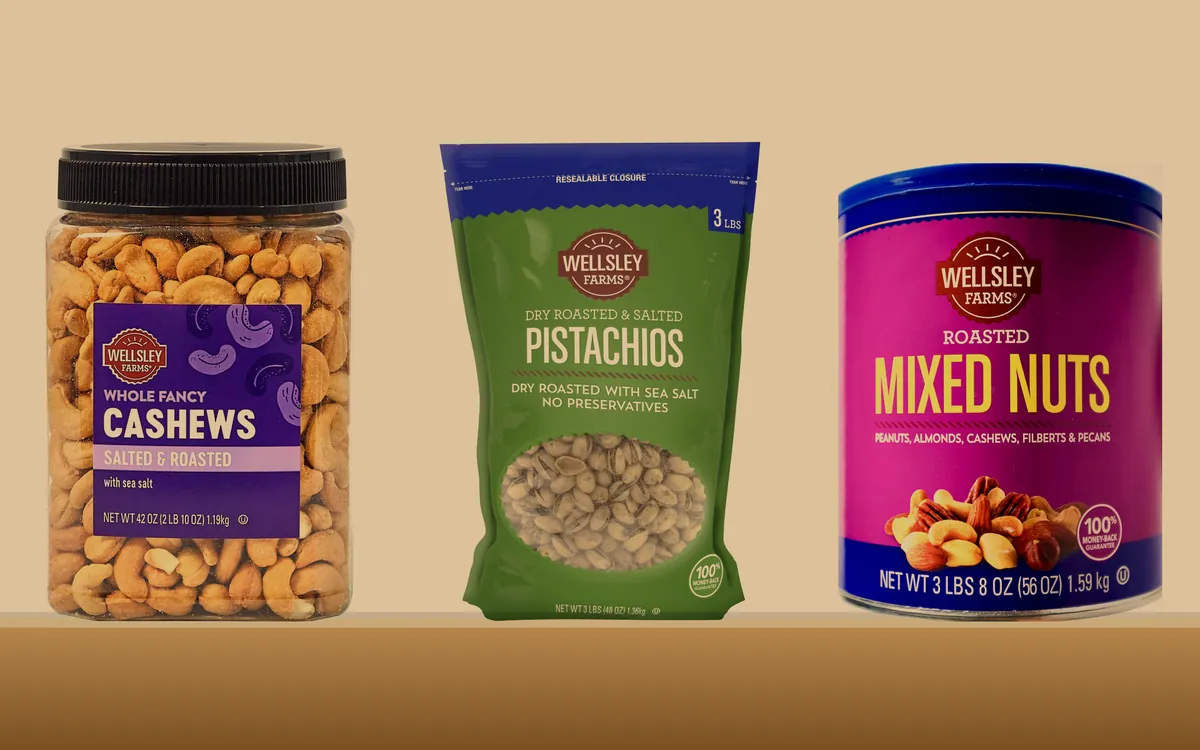
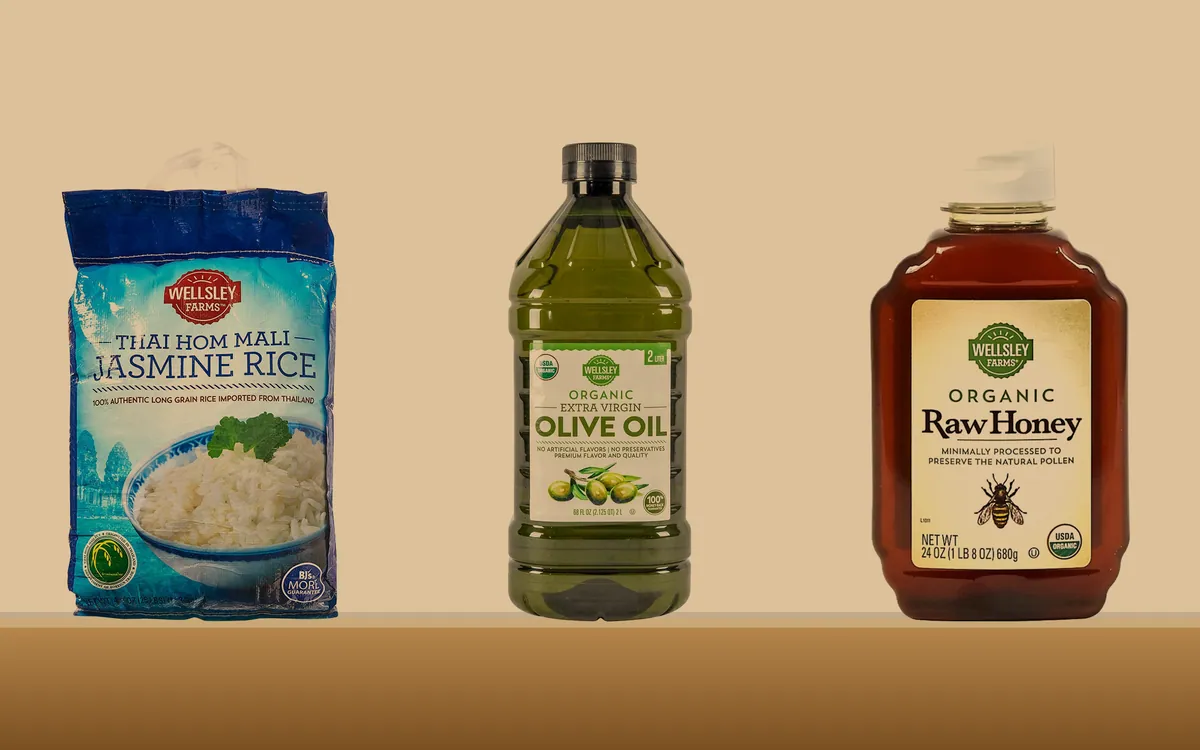
Wellsley Farms coffee comes two ways: by the 40 oz bag and by the box of 100 pods. The bag gives its weight and the box gives a count. Neither tells you the one number that lets you compare them, which is the cost of a cup.
Work that number out for every coffee on the shelf and the bags and boxes fall into order. Then there is the catch in a 40 oz bag: two and a half pounds of coffee is a lot to keep fresh.
The coffees on the shelf
Five coffees are in stock: three in 40 oz bags and two in boxes of 100 K-Cup pods. The bags hold whole beans or ground coffee. The pods fit Keurig K-Cup brewers and nothing else.
| Coffee | Form | Roast | Pack | Price |
|---|---|---|---|---|
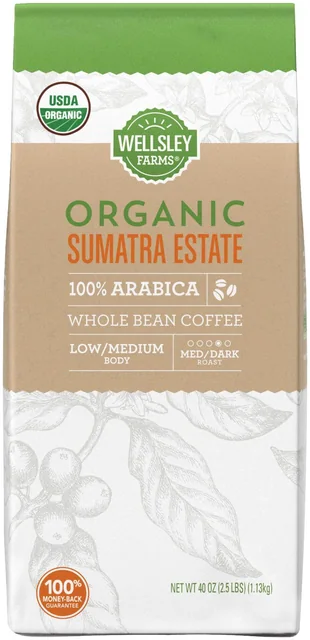
| Organic Sumatra Estate Whole Bean Coffee | Whole bean | Medium-dark | 40 oz bag | $49.99 |
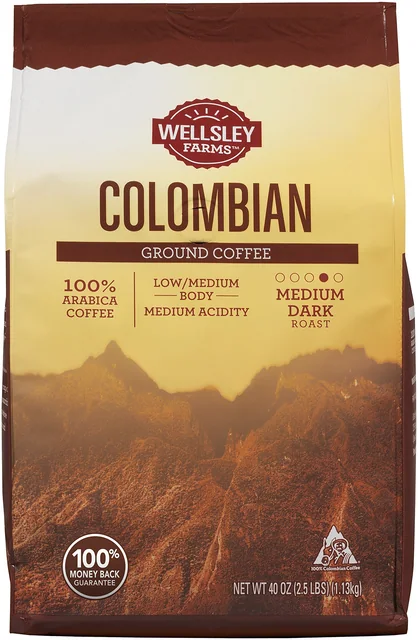
| Colombian Ground Coffee | Ground | Medium-dark | 40 oz bag | $26.60 |
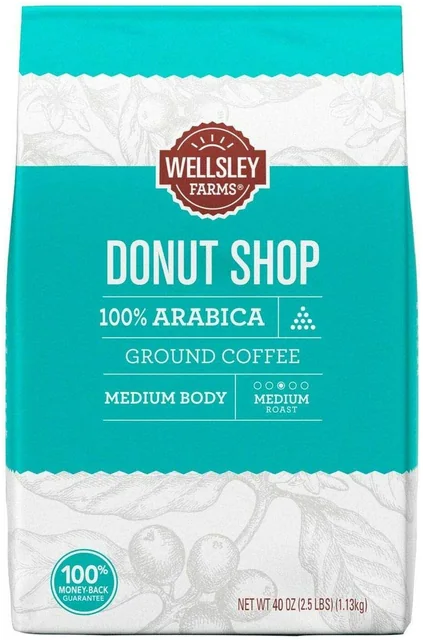
| Donut Shop Ground Coffee | Ground | Medium | 40 oz bag | $30.45 |
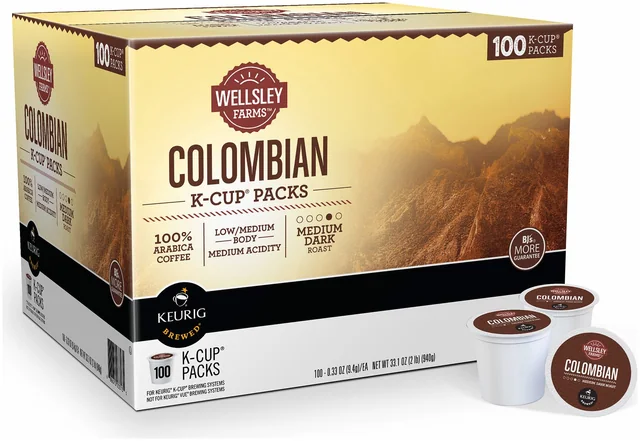
| Colombian Coffee K-Cup Pods | K-Cup pods | Medium-dark | box of 100 pods | $37.42 |
| Breakfast Blend K-Cup Pods | K-Cup pods | Medium | box of 100 pods | $61.99 |
The prices sit close together, and that hides the difference. A bag and a box at a similar price make different numbers of cups.
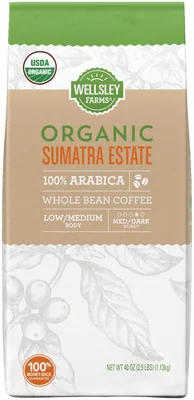 Organic Sumatra Estate Whole Bean Coffee40 oz bag · $49.99 · $1.25/oz
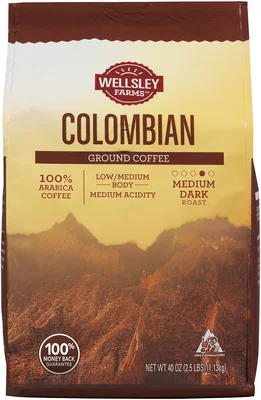 Colombian Ground Coffee40 oz bag · $26.60 · 67¢/oz
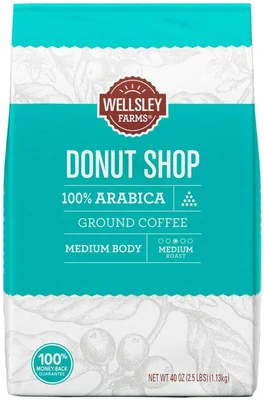 Donut Shop Ground Coffee40 oz bag · $30.45 · 76¢/oz
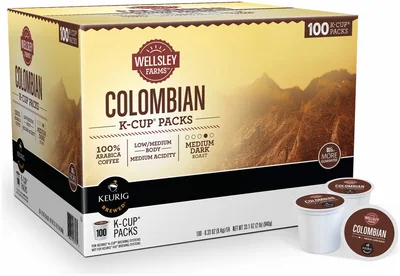 Colombian Coffee K-Cup Podsbox of 100 pods · $37.42 · 37¢/pod
From ounces to cups
To turn a bag into cups you need a recipe. The National Coffee Association, the U.S. trade body, publishes one for drip coffee.
Coffee-to-water ratio: 1 to 2 tablespoons of ground coffee for every 6 ounces of water (the “Golden Ratio”)
That ratio is in tablespoons, and arithmetic needs weight. Take 10 grams of ground coffee for a 6 fl oz cup. It is a round figure that sits inside the range. If you brew stronger or fill a bigger mug, scale every number below to match.
A 40 oz bag weighs 1,134 grams. At 10 grams a cup, it makes about 113 cups of 6 fl oz. A box of pods makes 100 cups, one pod each. So the bag brews more cups than the box does, before price enters at all.
What a cup costs
Divide the price of each pack by the cups it makes. The table is sorted with the cheapest cup first.
| Coffee | Pack | Cups per pack | Cost per cup |
|---|---|---|---|
| Colombian Ground Coffee | 40 oz bag | 113 | 24¢ |
| Donut Shop Ground Coffee | 40 oz bag | 113 | 27¢ |
| Colombian Coffee K-Cup Pods | box of 100 pods | 100 | 37¢ |
| Organic Sumatra Estate Whole Bean Coffee | 40 oz bag | 113 | 44¢ |
| Breakfast Blend K-Cup Pods | box of 100 pods | 100 | 62¢ |
Colombian Ground Coffee makes the cheapest cup at 24¢. Breakfast Blend K-Cup Pods makes the dearest at 62¢. One cup of the second costs as much as 2.6 cups of the first.
The fair comparison is like with like. Colombian coffee is sold both ways. Ground in the bag, it costs 24¢ a cup. In pods, it costs 37¢. The coffee is the same origin and a similar roast. The difference, 14¢ a cup, pays for the pod and the convenience.
Bigger mugs change the bag figures and not the pod figures. A 12 oz mug from a bag uses twice the coffee and costs twice as much. A pod costs the same whatever button you press. The brewer only pushes more water through the same grounds.
A year of coffee, priced
Cents per cup sound small. A year of mornings makes them visible. The table multiplies each cost per cup by 365 days at one, two and four cups a day.
| Coffee | One cup a day | Two cups a day | Four cups a day |
|---|---|---|---|
| Colombian Ground Coffee | $85.92 | $171.84 | $343.68 |
| Donut Shop Ground Coffee | $98.36 | $196.71 | $393.42 |
| Colombian Coffee K-Cup Pods | $136.58 | $273.17 | $546.33 |
| Organic Sumatra Estate Whole Bean Coffee | $161.47 | $322.94 | $645.89 |
| Breakfast Blend K-Cup Pods | $226.26 | $452.53 | $905.05 |
At two cups a day, a household on the ground Colombian spends $171.84 a year. The same household on Colombian pods spends $273.17. The gap is $101.33 a year for the same number of cups.
A brewer is the other cost, and it runs the opposite way. A drip machine or a pour-over cone is cheap, and a pod machine costs more. The yearly gap in the table recovers that difference many times over if you stay with a bag.
Whole bean or ground
One coffee here is sold as whole beans: the Organic Sumatra Estate Whole Bean Coffee. Whole beans need a grinder, and that is the only thing they need. In return they keep their aroma longer, because the inside of the bean is not open to the air until you grind it.
Organic Sumatra Estate Whole Bean Coffee40 oz bag · $49.99 · $1.25/ozColombian Ground Coffee40 oz bag · $26.60 · 67¢/ozDonut Shop Ground Coffee40 oz bag · $30.45 · 76¢/ozGround coffee is ready for the filter. It also has far more surface open to the air, and the air is what takes the aroma. The trade body's advice on this point is direct.
Using an airtight container for coffee storage will help it stay fresher, longer – especially pre-ground coffee.
If you own a grinder, the whole bean bag is the natural club size: grind one dose each morning and the rest waits intact. If you do not, the ground bags are fine, and the next section matters more.
Keeping a 40 oz bag fresh
The USDA FoodKeeper data has rows for both kinds of coffee, and they tell the same story from two sides.
| Coffee | Unopened, in the pantry | After opening | Freezer |
|---|---|---|---|
| Whole beans | 3 to 5 months | 3 to 4 months | Not listed |
| Commercial ground coffee | 2 years | 1 month | 6 to 12 months |
Unopened ground coffee waits a long time. Opened, the data gives it 1 month. At two 6 oz cups a day a 40 oz bag lasts about 57 days, which is close to two months. So a two-cup household is working against that clock, and a four-cup household is not.
- 1
Decant a week
Tip a week of coffee into a small airtight tin. Open only the tin each morning.
- 2
Seal the bag
Fold the top down, press the air out and clip it. Keep it in a dark cupboard.
- 3
Freeze the surplus
If the bag will last you more than a month, freeze half of it once, well sealed.
Clear canisters let in light, which can compromise the taste of your coffee.
The freezer divides opinion in the trade. The National Coffee Association says views differ, because coffee takes up moisture and smells from the air around it. FoodKeeper lists 6 to 12 months in the freezer for ground coffee. Both can be true: freeze once, sealed tight, and do not move the coffee in and out.
| Cups a day | 6 fl oz cups | 12 fl oz mugs |
|---|---|---|
| 1 | 113 days | 57 days |
| 2 | 57 days | 28 days |
| 4 | 28 days | 14 days |
| 6 | 19 days | 9 days |
Pods: what you pay for
A box of 100 pods is the simplest coffee there is. There is nothing to measure, grind or clean. Each pod is sealed, so the hundredth cup tastes like the first. That sealed freshness is the real argument for pods, and it is a fair one.
| Box | Roast | Price | Per pod |
|---|---|---|---|
| Colombian Coffee K-Cup Pods | Medium-dark | $37.42 | 37¢ |
| Breakfast Blend K-Cup Pods | Medium | $61.99 | 62¢ |
The price of that convenience is in the tables above. There are two smaller costs as well. The pods fit K-Cup brewers only, so the box is useless in a house with a drip machine. And a pod makes one strength: you can add water, but you cannot add coffee.
Pods suit a house where people drink one cup each at different times, or an office kitchen. A house that brews a full pot every morning will do better with a bag.
The brewer changes the cup
The bag is half of a cup of coffee. The machine is the other half, and the same trade guidance has useful things to say about it.
Colombian Ground Coffee40 oz bag · $26.60 · 67¢/ozDonut Shop Ground Coffee40 oz bag · $30.45 · 76¢/oz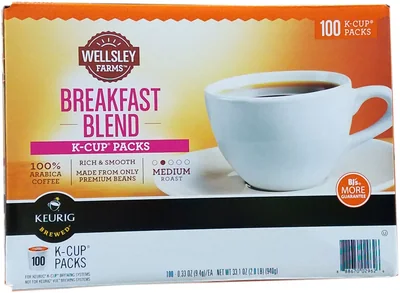 Breakfast Blend K-Cup Podsbox of 100 pods · $61.99 · 62¢/pod
The shape of the filter basket matters. A flat-bottom basket is wide, so the water runs through quickly and the cup comes out smoother and milder. A cone basket slows the water over a smaller bed of coffee, and the cup comes out richer. Neither is better. If the Sumatra tastes too heavy for you, a flat basket is a cheaper fix than a new bag.
Paper filters take up more of the coffee's oils, the guidance says, and that gives a cleaner, lighter taste. A reusable basket saves the cost of the papers and lets more of the oil through. With a medium roast such as Donut Shop the difference is small. With a darker coffee you will taste it.
Then there is the dose. The ratio quoted earlier runs from one tablespoon to two for the same cup, which is a factor of two. A cup that tastes thin needs more coffee, not a different bag. Change the dose first, and judge the coffee after a week of getting it right.
Which coffee for which household
Four kinds of household, and what the numbers suggest for each.
| Household | Cups a day | Coffee | Cost a year |
|---|---|---|---|
| One person, one cup | 1 | Colombian Coffee K-Cup Pods | $136.58 |
| A couple, two cups | 2 | Colombian Ground Coffee | $171.84 |
| A family, four cups | 4 | Colombian Ground Coffee | $343.68 |
| A grinder owner, two cups | 2 | Organic Sumatra Estate Whole Bean Coffee | $322.94 |
The single drinker is the case for pods. One cup a day from a 40 oz bag takes close to four months, and ground coffee will not hold its aroma that long once opened. A sealed pod will. The pod costs more per cup, and at one cup a day the difference over a year is small in dollars.
From two cups a day the bag wins on every count. The coffee is gone before it fades, and the saving grows with each cup. At four cups a day a household finishes a bag in a month, and nothing needs freezing.
Colombian Coffee K-Cup Podsbox of 100 pods · $37.42 · 37¢/podColombian Ground Coffee40 oz bag · $26.60 · 67¢/ozOrganic Sumatra Estate Whole Bean Coffee40 oz bag · $49.99 · $1.25/ozThe grinder owner has the widest choice. Whole beans keep their aroma longest, so the Sumatra bag suits even a slow drinker. Check its cost per cup in the table before you commit to a bag that size.
Five ways to waste a big bag
- Keeping the coffee in a clear jar on the counter. Light is one of its enemies, and so is the heat of a sunny kitchen.
- Scooping from the big bag every morning. Each opening lets in fresh air. Use a small tin for the week.
- Moving the bag in and out of the freezer. Cold coffee draws moisture from warm air each time it comes out.
- Storing it beside the spice rack. Coffee takes up smells, and nobody wants a cup that tastes of cumin.
- Brewing weak to make the bag last. A thin cup wastes all the coffee that went into it.
The online price and the club shelf
Wellsley Farms is a club-store brand, and the coffees sold online have been bought in a club and shipped on. Buyers notice the mark-up. One wrote that the pods cost a little more this way and were still the coffee the family liked best. Another lives a 45-minute drive from the nearest club and called ordering online much easier.
That is the trade to weigh. Every cost per cup in these tables is worked from the online price, the one you would pay today, so it already includes the convenience of the delivery.
Check the pack, not the description
The product descriptions for these coffees are written by whoever is selling them, and some are careless. One description of a 40 oz bag mentions six ounces in its text. The photo of the pack is the better witness: the weight is printed on the front of every bag, and the pod count on the front of every box.
Check the roast the same way. The box of Colombian pods names a medium-dark roast, and one field in its description says dark. Where the two disagree, go by the pack, and ask before you order if it matters to you.
Roast and taste
Price is one half of the choice. The other is what the cup tastes like, and the packs say less about that than you might hope. Here is everything the labels and product details state.
| Coffee | Roast | Stated on the pack or in the details |
|---|---|---|
| Organic Sumatra Estate Whole Bean Coffee | Medium-dark | Earthy and fruity, medium acidity, low to medium body |
| Colombian Ground Coffee | Medium-dark | Medium acidity, low to medium body |
| Donut Shop Ground Coffee | Medium | 100% Arabica |
| Colombian Coffee K-Cup Pods | Medium-dark | Sweet flavor, crisp finish |
| Breakfast Blend K-Cup Pods | Medium | Rich and smooth |
Read it as a ladder. Breakfast Blend and Donut Shop are the mild end: medium roasts made to be drunk black or with milk, by the pot. Colombian sits a step darker. Sumatra is the earthy one, with a heavier taste that divides a table.
None of the packs states its caffeine in milligrams. All of them are regular coffee, with no decaf among them.
Caffeine: how many cups
The Food and Drug Administration gives a daily figure for healthy adults, and it is worth having in mind when the coffee is cheap and the bag is large.
For most adults, the FDA has cited 400 milligrams* a day — that's about two to three 12-fluid-ounce cups of coffee — as an amount not generally associated with negative effects.
Two to three 12-ounce cups is four to six of the 6-ounce cups used in these sums. That is a guide for most adults. The agency adds that people vary widely in how sensitive they are to caffeine. If a doctor has given you a figure, use that one.
What goes in the cup
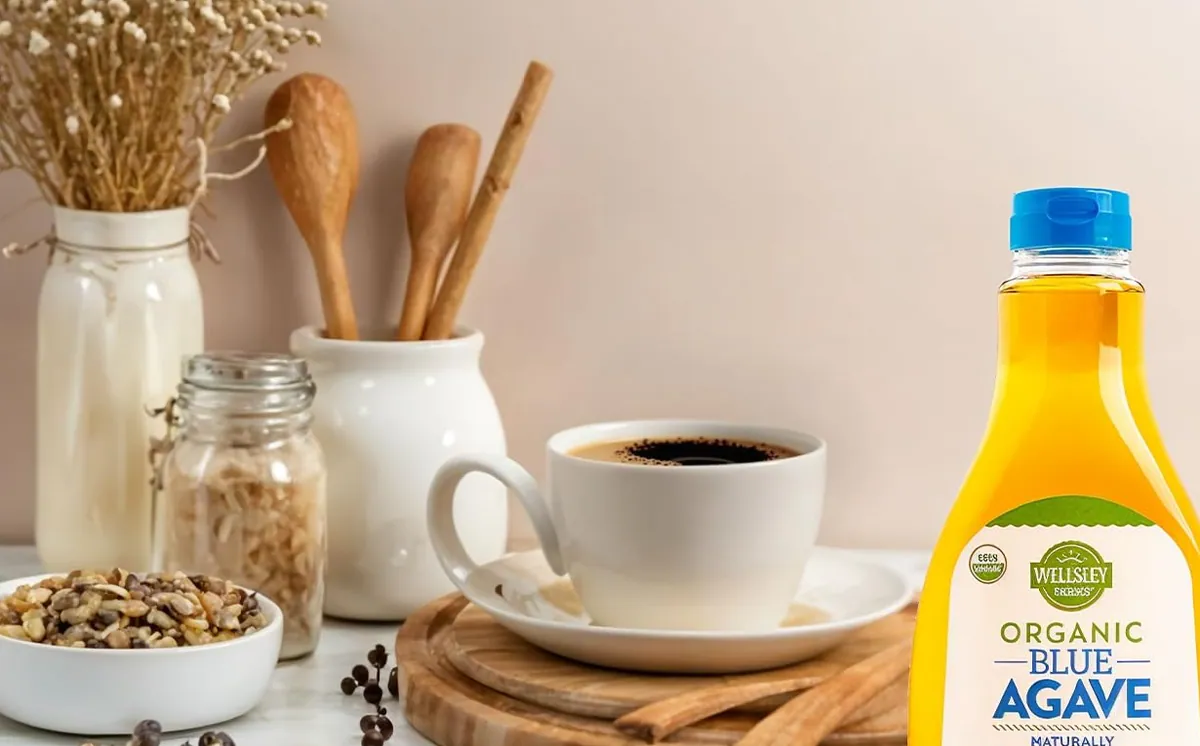
Sweeteners are part of the cost of a cup for anyone who uses them, and they are on the same shelves. Agave syrup dissolves in iced coffee without stirring for long. Honey needs a hot cup. Cane sugar comes by the ten-pound bag and suits a house that also bakes.
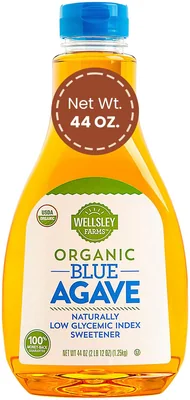 Organic Blue Agave Syrup44 oz bottle · $19.99 · 45¢/oz
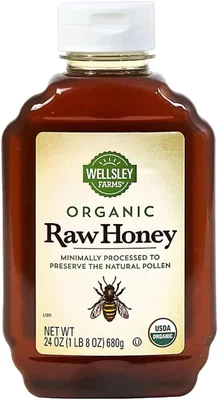 Organic Raw Honey24 oz bottle · $11.48 · 48¢/oz
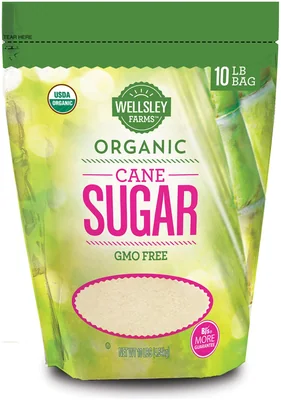 Organic Cane Sugar10 lb bag · $27.99 · 17¢/oz
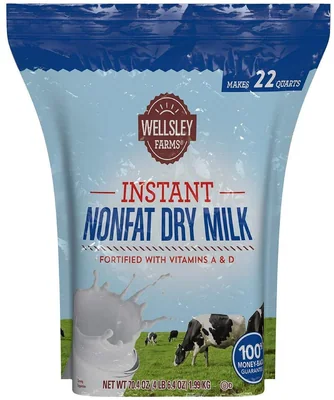 Instant Nonfat Dry Milk70.4 oz bag · $79.99 · 38¢/oz
Dry milk is the pantry answer to an empty milk jug. Stir a spoonful into the cup, or mix a glass the night before. It will not froth, and it will not spoil in a cupboard.
What buyers say about the coffee
The coffee reviews are among the warmest in the catalog. Buyers who cannot reach a club store order these bags online, and say so. The complaints are about price against the store shelf, not about the coffee.
The BEST coffee!
This is the best coffee I’ve ever had and I love coffee! This was recommended to me by several people and was my first time ever grinding my own coffee beans. So glad I gave it a try!
Great Coffee
I have gotten this brand of coffee before from BJ's but it is about a 45-minute drive for me. Ordering them online is so much easier and more convenient for me as I am disabled.
This is the coffee that we like the best
This is the coffee that we like the best.It is a little more expensive than buying it at BJs..but we still like it..I need to order some more soon.
I thought i was buying sumatra coffee
I didn't look at this close enough. I thought I was buying sumatra coffee. This is arabic, instead. It's not bad coffee, just not what I was hoping for. Overall, it is roasted well and is brewing up, just fine. If you are looking for this type of coffee, this brand is great.
Good taste
Good coffee after taste. We're still tweaking the amount to use so it is the best it can be !
You get what you pay for
These "sumatran" coffee didn't match up to others I've purchased. Poor quality. Missing that flavor and full body of good Sumatran.
Questions about Wellsley Farms coffee
What does a cup of Wellsley Farms coffee cost?
From 24¢ for Colombian Ground Coffee to 62¢ for Breakfast Blend K-Cup Pods, per 6 fl oz cup. The figures assume 10 grams of coffee a cup and prices as of 6 October 2026.
How many cups does a 40 oz bag of Wellsley Farms coffee make?
About 113 cups of 6 fl oz, at 10 grams of coffee a cup. That is 57 days for a household that drinks two cups a day.
Are Wellsley Farms K-Cup pods cheaper than a bag of ground coffee?
No. Colombian pods cost 37¢ a cup and the ground Colombian bag costs 24¢, a gap of 14¢ a cup.
All five are on the Wellsley Farms coffee shelf. For what to eat with the cup, see the snack shelf. For how long the rest of the pantry keeps, see how long pantry staples keep, and for the nut jars, nuts by the ounce.
Sources
- National Coffee Association, Drip Coffee, read 6 October 2026
- National Coffee Association, How to Store Coffee, read 6 October 2026
- National Coffee Association, How to Store Coffee, read 6 October 2026
- U.S. Food and Drug Administration, Spilling the Beans: How Much Caffeine Is Too Much?, read 6 October 2026
- USDA Food Safety and Inspection Service, FoodKeeper data, version 128, read 6 October 2026
Storage times are from the USDA FoodKeeper data, version 128. Prices are from our price update of 6 October 2026. Cups per bag follow the stated assumption of 10 grams a cup.